Your Tooth Is Damaged But Not Gone: What Australians Should Know Before Getting a Dental Crown
A dentist says the words dental crown and most patients do the same two things over and over either quickly agree with a total lack of understanding as to what’s going on, or start quietly freaking out about the cost and wonder aloud if it’s really necessary. That reaction isn’t surprising: dental crowns are a pretty significant restorative procedure, and the gap between what patients think they know is going on, and what’s actually happening, is a bit more than it should be. Australians spent a not insignificant $13.2 Billion on dental services in 2023–24, with individuals picking up 61% of that total cost. Taking the time to make sense of the recommendation before a procedure now that’s worth the effort.
What A Dental Crown Is, Versus What It Isn’t?
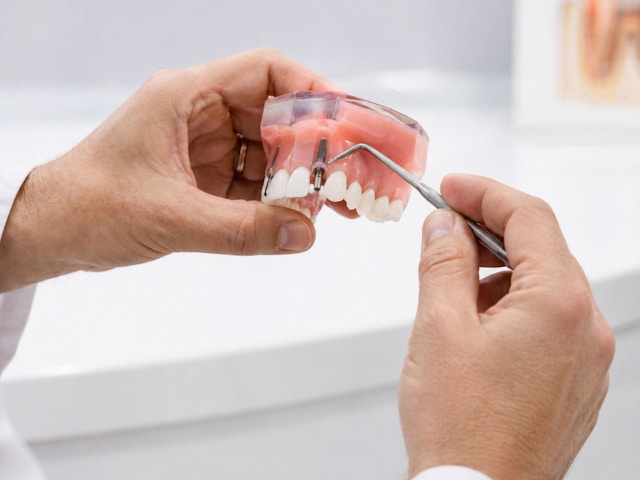
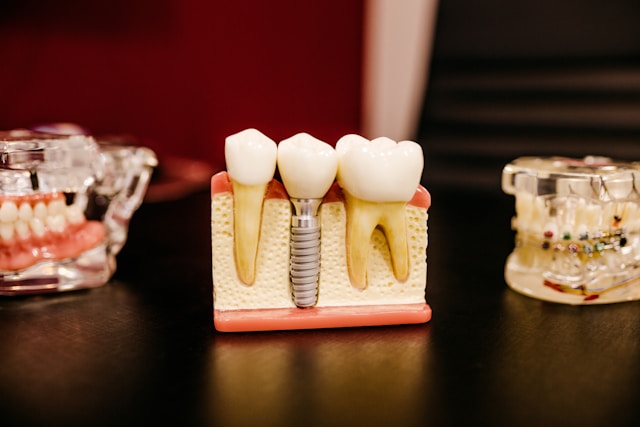
The single biggest problem is that people constantly assume a crown is just a cosmetic cap slapped over a healthy tooth just because it doesn’t look so great. That’s not a crown, that’s a veneer. A crown is actually a structural restoration a custom made cover for the bit of the tooth that sits above the gum line, made for teeth that are struggling to stand on their own. A veneer just covers the front face of the tooth, and leaves the rest of it alone. An implant replaces a tooth that’s no longer there. A crown keeps the existing root, but chuck the part that’s above the gum line that’s no longer able to hold its own. Once it’s bonded in, it’s a permanent fixture it’s cleaned and maintained just like a natural tooth, and it needs regular check-ups and monitoring to keep it going.
Why Your Dentist Is Recommending One And What It Means?
Dentists are recommending crowns for specific reasons, not just because they want to sell you something. If you understand what’s going on in your mouth, you’ll understand what they’re talking about. All registered dental practitioners in Australia are regulated by AHPRA, which sets the professional standards your dentist must meet.
- Teeth with big fillings in them where there’s not enough tooth left over to anchor a new filling without risking it all breaking apart.
- Teeth that are cracked or fractured once one cracks under the pressure of biting, it’s just a matter of time before it cracks further.
- Teeth that have had to have the nerve taken out when a tooth loses its internal moisture supply, it gets brittle and can’t support itself.
- Teeth that’ve worn down so much from grinding your teeth at night that it’s next to useless.
Each of these situations is the same basic story: the tooth can’t take care of itself any more, and a crown gives it the external support it needs.
Ceramic Crowns And How Things Have Changed
You can still get crowns made out of metal and porcelain, especially for back teeth where what matters most is how strong it is. But full ceramic and zirconia options have shaken things up for visible teeth the last while; they match the colour and translucency of real teeth so well it’s hard to tell they’re not real. Australian clinics have swung pretty heavily towards ceramic and zirconia for crowns on the front and side teeth, because the materials have got a lot stronger and people are becoming more picky about how they look.
Two Visits And No Mystery
The mystery regarding procedures in the crown procedure involves uncertainty about what occurs during each step. The process is routine. In the first visit, the dentist prepares the tooth for the dental crowns Booragoon by shaving off a predetermined amount of material around the tooth and decreasing its height in order to ensure that the crown will fit inside the normal bite range. The impressions of the prepared tooth and surrounding teeth are taken through either impressions or a digital scanning procedure. A temporary dental crown is put in place, usually made of acrylic or composite. The laboratory phase takes a period of one to two weeks. In this period, the crown is constructed to match in terms of colour, shape, and bite range. During the second visit, the temporary crown is removed, and the fit of the crown is checked. The permanent crown is cemented into position. Adjustments in terms of bite are common at this point while the majority of the precision is done with the impressions and fabrication.
The Longevity Of A Crown
When well placed on a well-prepared tooth, a crown can serve the patient for 15 years or even more. The factors that reduce the life span of the crown are mostly within the control of the patient. These include poor oral hygiene resulting in decay along the edge of the tooth, unmanaged bruxism, and the lack of regular dental visits where changes are detected before becoming a structural problem.