What You Need to Know Before You Sell a Rolex Watch in Australia?
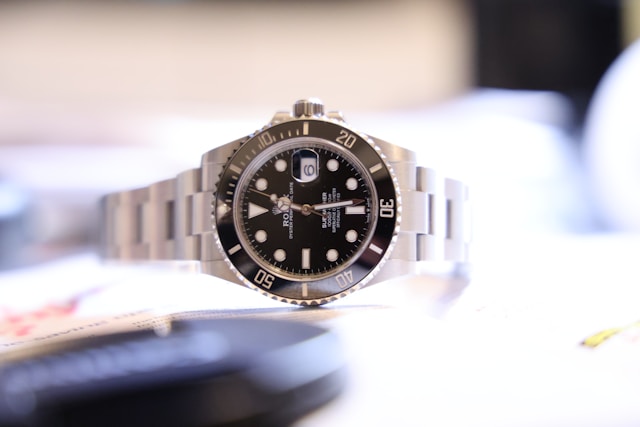
Most people who decide to sell their Rolex think that the hardest part is actually finding a buyer, but that’s not the case. The real challenge lies in everything that happens before that conversation, and that’s exactly why so many sellers end up getting short changed on their watch, and sometimes get caught in a deal that falls apart entirely. Whether that Rolex has been sitting in a drawer for years or has been worn every single day, it’s the same principles that make all the difference in what you get for it and how smoothly the process plays out.
Condition, It Means What You Think It Might Mean, But Not Quite
The thing is, originality drives collector interest, not how shiny your watch is. A Rolex that’s been over cleaned or has some aftermarket parts slapped on it may look good as new, but it’ll sell for a lot less. The guys who buy these high end watches know what to look for, and they can spot a case that’s been polished to death from a mile away. A watch with just the right amount of service wear on all the original parts is way more valuable than one that’s been gleamed to perfection with the help of some aftermarket bits.
Documentation is another major factor that sellers tend to get wrong. Presenting your Rolex with its original box and all the papers can make all the difference in the world, and you’ll probably get some better offers. The paperwork speaks volumes about the real history of the watch, something that no amount of prep work can replicate.
What The Market Is Actually Prepared To Pay?
I think a lot of people have this idea that a Rolex will sell for double what they paid for it. The thing is, that just isn’t true, most of the time. What sets the resale price of a Rolex is what happens on the global secondary market, not what you paid for it from a boutique. A handful of references like the Submariner or the Daytona will always attract a lot of interest, but for most folks, stainless steel GMT Masters just aren’t as valuable. Vintage pieces on the other hand, 20 to 50 years old or more, are a whole different story. Original movement and unrestored cases are where it’s at in that market.
The Real Price Of Going Private
Putting your Rolex up for sale on one of those public marketplaces might seem like a good idea, but it comes with its own set of risks. Payment scams are all too common at this price point. Counterfeit substitution does happen. And let me tell you, folks who don’t even bother to verify you will try to lowball you to death. And even when you do manage to close the sale, those platform fees are just going to eat into your profit.
A reputable second hand dealer on the other hand offers a whole different experience. They’ve got the authentication to protect you, secure payment options, and a clear cut legal framework to keep things running smoothly. If you want to sell my Rolex watch without all the drama of a public listing, you’re giving up a bit of potential cash, but you’re getting a whole lot of peace of mind in return, and that’s something most folks would be willing to trade for.
Emotions No One Dares To Talk About
The decision to sell a watch which is either inherited or gifted can never be only based on monetary considerations. While distinguishing emotional from market value is not about devaluing the former but rather about acknowledging both in order to reach an objective conclusion. Having a professional assessment made and a reasonable price established without tying you to an action allows for an objective evaluation. This distinction is one that an experienced buyer can recognise.
Things To Consider Prior To Making A Deal
Any watch that is hard to prove as not being reported stolen or lost by its previous owner will create difficulties in selling it to a trustworthy party. The provenance check will always be a standard procedure. When selling inherited watches, the simplest documentation such as letters, photos, or documents will help prove the provenance.
The authentication process in a professional transaction includes inspecting a movement and verifying the serial number and reference number, as well as assessing the condition of all original parts. Preparing yourself to think about these things before entering into negotiations will give you an advantage. The choice to sell your Rolex watch via an authorized dealer instead of a public sale will most probably mean the difference between a professional and amateur approach.