The Real Reason Artificial Wall Plants Are Appearing in Every Perth Home and Office Right Now
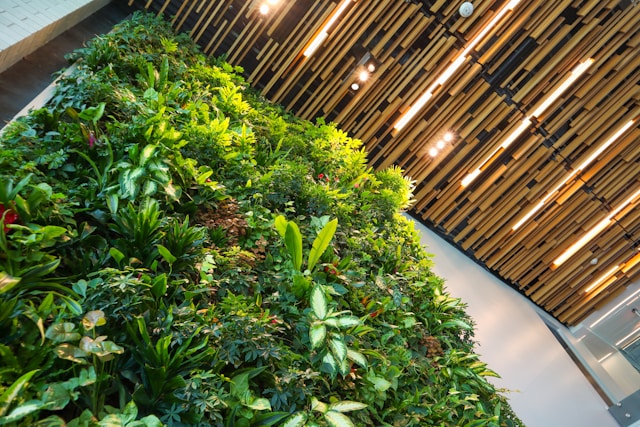
Walk into a brand new café in Perth, a renovated corporate reception in some leafy suburb, or a just redone living room in just about any ‘burb, and the same story keeps playing out. A wall plastered in layers of greenery; thick, varied, and actually sort of looking like it’s alive (even though it’s not). Not actual living plants and good luck trying to keep a living wall happy with no irrigation in sight and a complicated schedule to keep on top of. Artificial wall plants snap in, all done in a single afternoon, and that’s about it for any ongoing work… just the occasional wipe to keep things looking tidy. The real question is not whether they look pretty, but what on earth is driving this wave of fake walls.
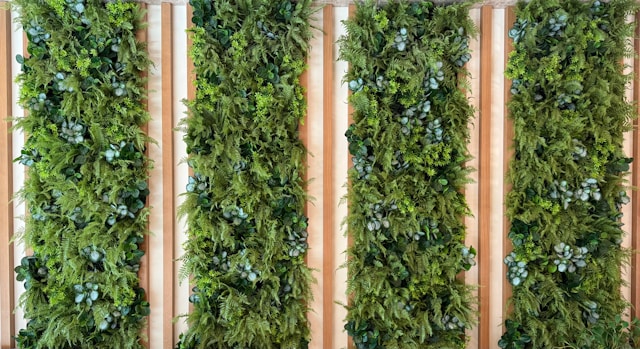
What’s Actually Behind The Green Wall Frenzy?
Biophilic design the idea of bringing a bit of the great outdoors into our built spaces to make our time inside more liveable has shot from some niche architectural theory into mainstream fitout territory. Interior designers and commercial fitout teams in Perth and other major cities like Melbourne are treating the stuff as just another surface material, like a fancy paint or a bit of stone, rather than just some decorative add on. And with feature walls no longer the go, it’s all about getting a bit of that green texture going on.
And then there’s the water situation which is more than just a pretty face. Some of the water restrictions in Western Australia are still in force from 2007, which means outdoor watering is tightly controlled. Keeping any outdoor plants going under those rules takes some serious discipline; keep a living indoor plant wall happy in a spot with dodgy light and no way to get water to it, forget about it. That’s a whole lot of money down the drain. Artificial alternatives just get to ride on by.
Why Artificial Trumps Real In The Places People Are Decorating?
Where people really want some greenery to pop, but the conditions just aren’t right is the odd mismatch. Commercial spaces are often relying on artificial lighting to light the joint up which let’s face it, isn’t exactly the same as a sunny day outside. Retail and hospitality places get a lot of foot traffic which means hygiene is a major issue, with leaf drop and soil and moisture creating ongoing headaches for businesses. And don’t even get started on areas that are under cover but still get blasted with UV light that’s just a recipe for disaster for real plants.
Childcare centres and hospitals have some special considerations of their own. Real plants can introduce all sorts of allergens that places like these need to be super careful about. “Artificial green wall panels” sidestep that problem entirely, while still giving people that nice feeling of being surrounded by some greenery which the research says gives people a real sense of comfort and reduces stress.
Now, UV ratings on the stuff you buy are more important than most people give them credit for. If you buy something that’s rated for outdoor use in Oz conditions that’s a whole different animal to something designed to be stuck in a windowless room. You’d be amazed how quickly a five year UV warranty looks like a joke when you put it in a spot that gets a bit of direct sunlight.
The Difference Between Panel Quality Levels
Not all artificial wall plant panels are created equal, and the disparity in price is actually based on real differences rather than just the manufacturer trying to make a bigger profit. The first key variable to consider is density and layering. A panel basically consisting of one type of plastic leaf laid out in a flat grid is going to look really obvious from a distance, whereas a panel that combines multiple plant varieties at different heights and densities creates the kind of visual depth that makes it believable from close up.
Then there’s the issue of UV stabilisation. Don’t even get me started on the Australian sun; it’s brutal and will make short work of any cheap panel that’s not properly stabilised. Outside exposure of 12 to 18 months is all it takes for a non UV stabilised panel to fade and become brittle. So when a product is built for use in Australian conditions, they need to be upfront about the climate zone that their UV rating was tested in; a vague warranty period just isn’t good enough.
Another thing to think about is how the panels are attached. This has a big impact on how well they perform in the long term, and also on how easy or hard it is to replace individual panels if they get damaged. I’d always go with a system that lets you remove and replace individual panels rather than one that’s glued in place; the latter can be a right pain to deal with if a panel gets damaged.
And for outdoor or semi outdoor installations, it’s not optional to find out whether the product is rated for the level of exposure it’s going to get.
Where Artificial Wall Plants Work Hardest?
Feature walls in living areas and home offices really benefit from the fact that artificial plants look the same all year round. You don’t have to worry about them dying off in winter or looking like they need watering in summer; they just look the same, every month of the year.
If you live in a warm climate city like Perth, that’s where you get the clearest return on investment. A living wall in one of these places would be a total pain to maintain; you’d be constantly having to water it, replace plants that have died off from the heat, and so on. Artificial wall plants, on the other hand, require none of that.
Reception areas and retail shopfronts also benefit from the fact that artificial plants look consistent all the time. If you’re displaying real plants and they start to look a bit wilted on a Tuesday morning, that sends a certain message. With artificial plants, you get a consistent look every time you walk into the space.
And then there are childcare and healthcare facilities, where the allergen argument basically closes the deal. People in these places have to worry about allergies all the time, so a natural plant display just isn’t a good idea.
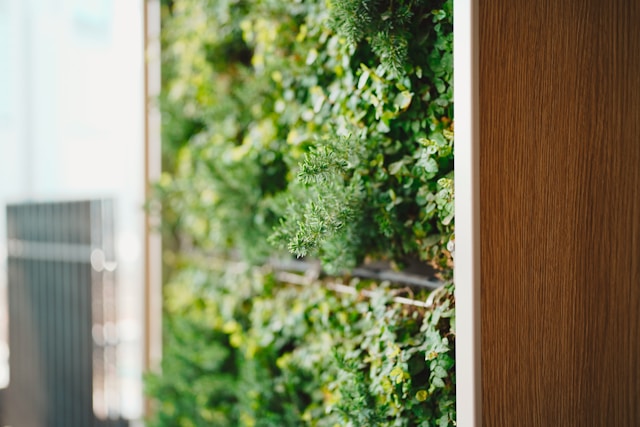
What To Get Right Before Installation?
Measuring your wall accurately before ordering the panels is way more important than most people think it is. Power points, window frames, and other fixed fixtures all affect how the panels need to be laid out, and if you don’t account for them you can end up with a load of problems on installation day that are expensive to fix.
You also need to get the wall surface compatibility sorted out before you start the installation. Not all surfaces are the same when it comes to how well they hold brackets or adhesives, so you need to make sure you’ve got the right stuff for your wall. And then there’s the edge treatment; the difference between a professional and an amateur installation is pretty plain to see when it comes to this.